Director's Message
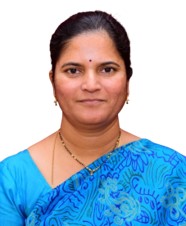
Indian agriculture is confronted with several emerging and persistent challenges, including scarcity of capital, improper water management, soil degradation, seed, small and fragmented landholdings, climate change, biodiversity loss and the need for sustainable livelihoods. Addressing these challenges requires continuous technological advancement as well as a competent, knowledgeable and responsive agricultural extension system.
Middle-level extension officers working in agriculture and allied sectors play a crucial role in translating scientific knowledge, technologies and government programmes into practical advisories and services for farmers. To perform these responsibilities effectively, extension functionaries need to continuously update their knowledge, technical competencies, professional skills and behavioural capabilities. Training is one of the most effective capacity-building tools for acquiring new knowledge and skills, refreshing existing competencies and adapting to emerging developments. Continuous professional development strengthens the competency and talent base of employees and enables them to discharge their responsibilities more effectively, thereby contributing to improved quality of extension services.
In this context, the Extension Education Institute (EEI), Hyderabad is committed to strengthening the professional capacity of extension functionaries through need-based, demand-driven and participatory training programmes. EEI caters to officers and trainers from agriculture and allied sectors, including agriculture, horticulture, animal husbandry, dairy development, fisheries, agricultural engineering, agricultural marketing, irrigation, forestry, sericulture, industries, soil and water conservation and other related departments from its client States and Union Territories—Telangana, Andhra Pradesh, Karnataka, Tamil Nadu, Kerala, Odisha, Puducherry, Andaman & Nicobar Islands and Lakshadweep.
The training programmes focus on contemporary and emerging areas that are relevant to the changing needs of agriculture, farmers and extension systems. Major areas include digital interventions, artificial intelligence, smart and precision agriculture, post-harvest management, waste management, value addition, natural farming, market-led extension, Farmer Producer Organisations (FPOs), sustainable farming, agricultural mechanization, agri-startups, entrepreneurship, public-private partnerships (PPP), gender mainstreaming, nutrition-sensitive agriculture, export-oriented farming, agro-chemical management, climate-resilient agriculture, and professional and behavioural skills such as time and stress management.
These themes are integrated into on-campus, off-campus, collaborative, online training programmes and webinars, with emphasis on sector-specific issues, technological advancements, effective extension methodologies, management competencies and behavioural skills. The Institute also undertakes webinars, certificate courses, follow-up studies, action research, consultancy and skill-oriented training programmes to address the diverse capacity-building requirements of extension personnel and other stakeholders.
EEI endeavours to provide a dynamic learning environment where participants can exchange experiences, learn from experts and peers, explore innovative technologies and develop practical solutions to field-level challenges. The ultimate objective is to strengthen the capacity of extension functionaries to provide timely, relevant, scientific and quality advisories to farmers and facilitate the effective dissemination and adoption of appropriate technologies.
I am confident that the capacity-building initiatives of EEI will contribute towards a more responsive, technology-enabled and farmer-centric extension system. Through continuous learning, innovation, collaboration and professional development, EEI strives to empower extension personnel to contribute meaningfully to sustainable agricultural development, improved livelihoods and the socio-economic transformation of farming communities.
Copyright © EEI HYD. All Rights Reserved. Last Updated on 19 October 2026